











The Spain guide03 of 03
Spain Lifestyle Guide for Expats.
What daily life on the Costa del Sol is like for British buyers, from healthcare and schools to living costs and residency.
Life as an expat in Spain
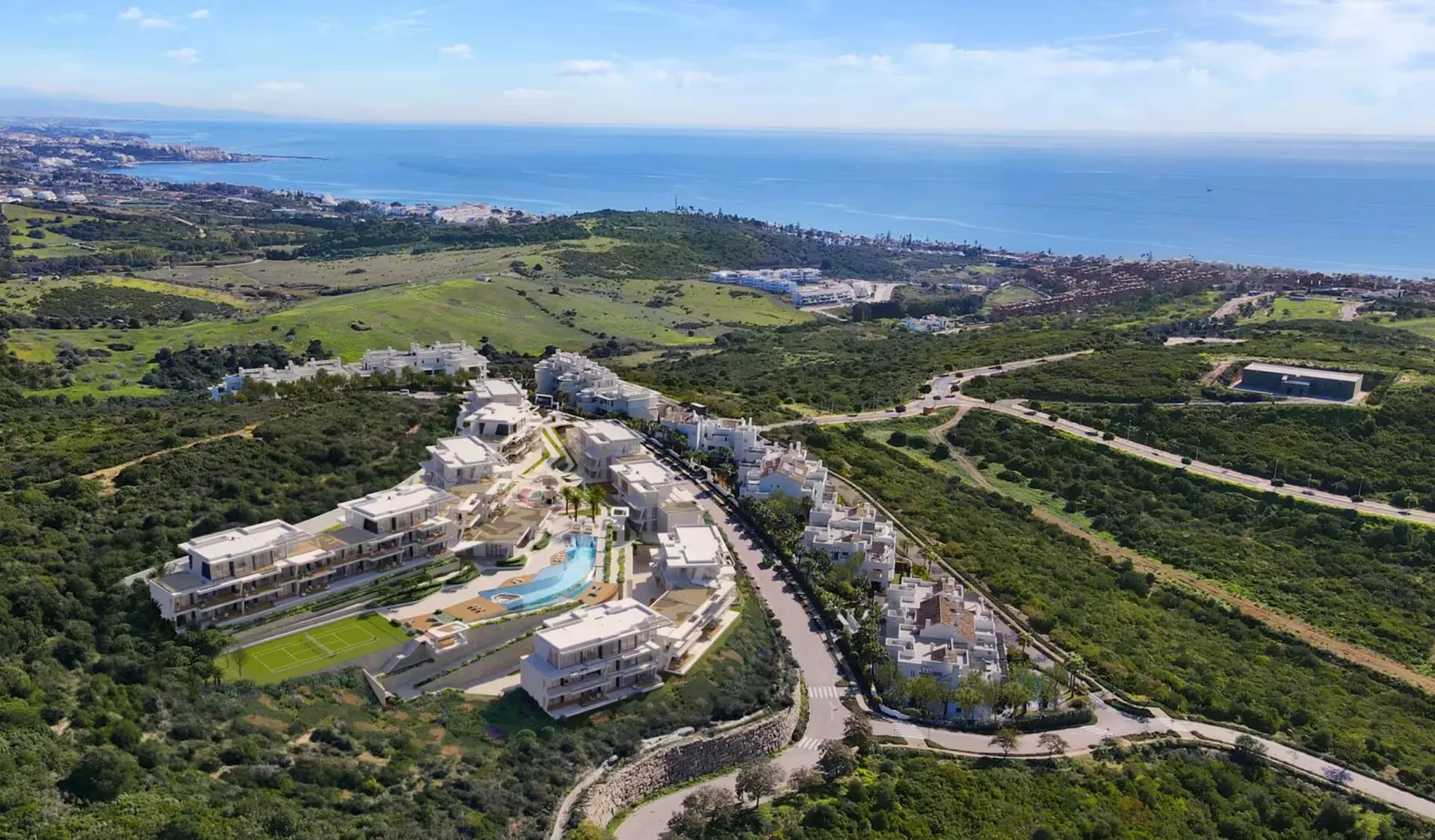
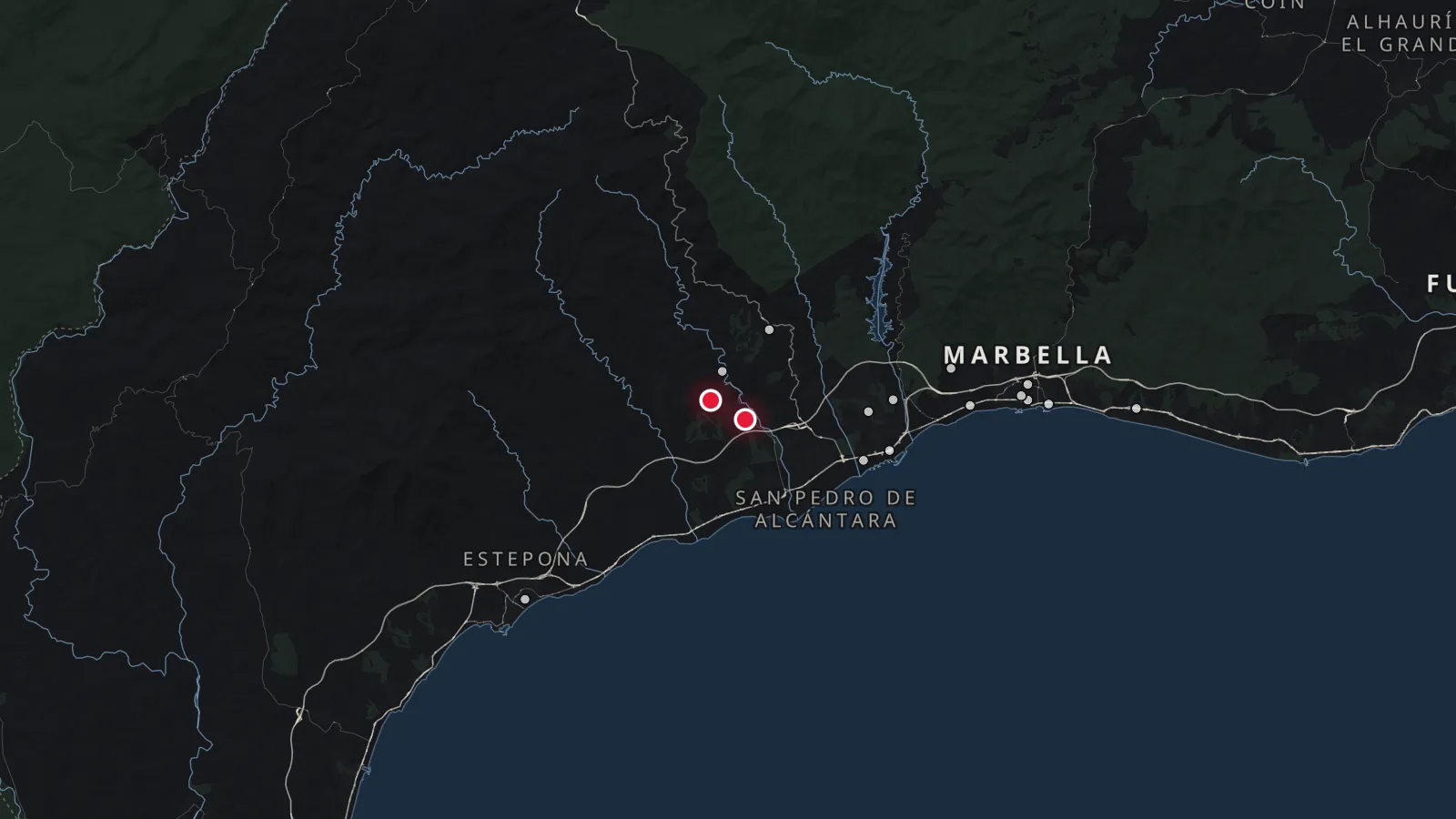
Spain has been the first choice for British people moving abroad for decades, and the Costa del Sol is where many of them settle. The stretch from Málaga west through Marbella, Benahavís and Estepona combines a mild climate, a well-connected international airport, good private healthcare and schools, and a long-established English-speaking community.
Spain is a large and varied country, and Madrid, Barcelona, Valencia and the Costa Blanca all have international communities of their own. Most of what follows applies across the country, with detail on the Costa del Sol where it matters.
This guide looks at what living here involves in practice: why people come, how buying a home fits in, the residency position since the Golden Visa closed, and the everyday costs. It is written from the perspective of the buyers we advise, most of whom are buying new homes in Marbella, Benahavís and Estepona, some to live in full time and others as a second base.

Why Spain Is a Top Destination for Expats
People move to Spain for a mix of reasons, and the climate is only one of them. Healthcare, schools, easy flights home and a community that makes the first year straightforward all play their part.
Exceptional Quality of Life
Climate and outdoor life. The Costa del Sol has mild winters and long, dry summers, and the mountains behind it shelter the shoreline from much of the weather coming off the interior. Life is lived outdoors for most of the year: on terraces, at beach clubs, on golf courses and on walking trails in the Sierra Bermeja and the hills above Benahavís.
Healthcare. Spain has a well-regarded public health system and a large private sector. Residents who pay into the social security system can use public care, and UK state pensioners may be able to register using an S1 form. Many expats on the coast also take private insurance, and the private hospitals around Marbella and Málaga are used to treating international patients. Private cover is also a requirement of the main residence visas.
Connections. Málaga airport has frequent flights to airports across the UK and much of Europe, and most of the western Costa del Sol is within about an hour's drive. That access is a large part of why second-home owners choose this stretch of coast, and why many families split their time between Spain and home.
A Welcoming Community
Marbella and its neighbours have one of the largest international populations in Spain. English is widely spoken in shops, clinics and professional offices, which makes the first year easier, and there are clubs, charities, sports teams and English-language media for almost every interest.
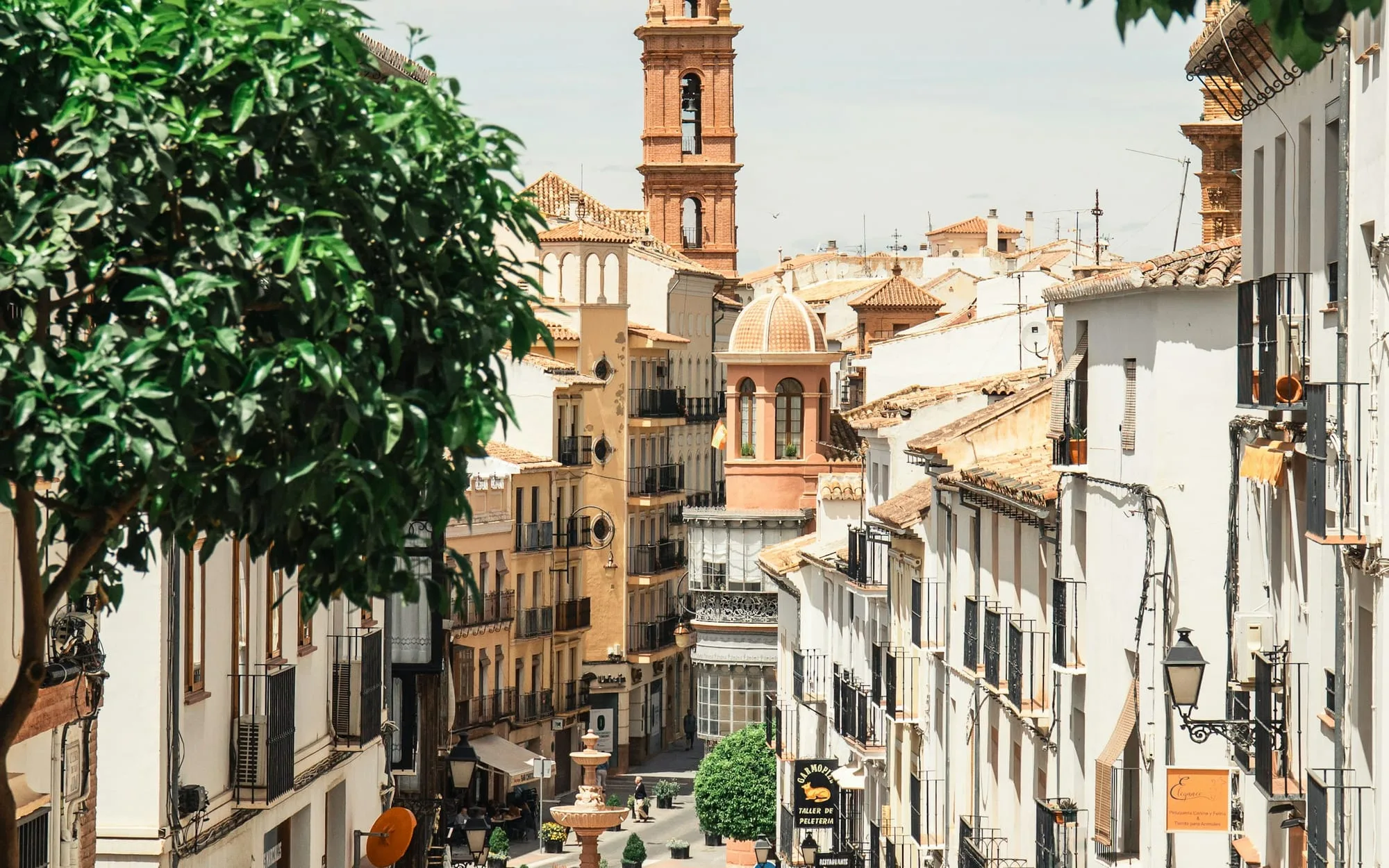
Even so, the people who settle best tend to learn Spanish and spend time in the old towns and local markets as well as the urbanisations. Spanish neighbours are generally welcoming to newcomers who make the effort, and local life opens up quickly once you can hold a conversation at the bakery or the town hall.
Thriving Real Estate Market
Spain's property market is long established and open to foreign buyers on the same terms as Spanish nationals. On the Costa del Sol, demand comes from buyers across Europe and further afield, and a steady supply of new homes, from apartments to contemporary villas, means there is real choice at most budgets.
The legal framework is also well tested. Title is recorded at the Land Registry, a notary oversees every completion, and off-plan buyers have their deposits protected by law. We do not quote growth rates or yields, because values and rents depend on the specific property and the market at the time; the desk confirms the case-specific figures for any home you are considering.
Property Investment for Expats
Foreigners can buy property in Spain freely, with the same ownership rights as Spanish nationals. You will need an NIE, the foreigner's identity number, and a Spanish bank account. An independent lawyer should check title, planning and licences before you commit to anything.
Where to look. City buyers often choose Madrid, Barcelona or Valencia, and the Costa Blanca offers lower entry prices. On the Costa del Sol, where our stock is, three areas cover most of what expats ask for.
- Marbella: the widest choice, from apartments near the Golden Mile to family homes in Nueva Andalucía and on the east side, with schools, restaurants and services close at hand.
- Benahavís: a hillside municipality behind Marbella and Estepona with gated communities, golf and more space, popular with families and buyers who value privacy.
- Estepona: a working Andalusian town with a restored old centre, a long seafront promenade and a steady pipeline of new-build developments.
New build and off plan. Many expats buy new. Modern homes on the coast are built to current energy and building standards, come with the developer's legal warranties and usually include communal pools, gardens and security. Buying off plan means paying in stages during construction, with deposits protected by a bank guarantee or insurance under Ley 38/1999 (the LOE) and related rules. You can see current schemes on our off-plan property page.
Letting your home. Some owners let their property when they are not using it. Rental demand on the coast is seasonal, and holiday lets in Andalucía must be registered before you take bookings. Non-residents pay non-resident income tax on rental income. We do not quote general yields; the desk confirms the case-specific figures for any property you are considering.
Purchase costs. Budget for taxes and fees on top of the price. On a new build in Andalucía that means VAT (IVA) at 10% plus 1.2% stamp duty (AJD); a resale home pays transfer tax (ITP) at 7% instead. Allow around 1% to 2% for notary, registry and legal fees. Our buying guide sets out the costs in more detail.

Questions on this guide? Ask our Spain team.
Ownership, costs and what is for sale, on WhatsApp or by phone.
Residency options for expats
The Golden Visa, which gave residency to buyers spending €500,000 or more on property, was abolished from 3 April 2025. Buying a home now has no direct link to a residence permit. British citizens are treated as non-EU nationals and, without a visa, can spend up to 90 days in any 180-day period in Spain.
For longer stays, the two most common routes are:
- The non-lucrative visa, for people who will live on pensions, savings or investment income and will not work in Spain.
- The digital nomad visa, for people working remotely for employers or clients based mainly outside Spain.
Both require private health insurance and proof of income, and both normally make you tax resident in Spain, so take tax advice before you move. Owning a home still helps, by giving you a fixed address and showing ties to the country. Our visa and residency guide explains each route and how a purchase fits around it.
British citizens who were already legally resident in Spain before the end of 2020 are covered by the Withdrawal Agreement and hold their own residence card, so the rules above apply mainly to new arrivals.
What a well-provided year costs in Marbella
The home, the school, staff, dining, the club and the berth, priced line by line and set against the world’s wealthiest cities.
Lifestyle Highlights for Expats
Daily life is what keeps people here long after the first summer. A few things stand out for the buyers we work with.
Culinary Delights
Eating out is part of ordinary life rather than an occasion. Every town has its market, its tapas bars and its beachfront chiringuitos serving grilled sardines and fried fish. Marbella and Estepona also have a broad range of international restaurants, and Málaga has a growing food scene of its own. Further afield, San Sebastián and Barcelona draw food lovers from across Europe.
Rich Culture and Heritage
Málaga has become a serious cultural city, with the Picasso Museum and the Centre Pompidou among its galleries. The Alhambra in Granada and the old towns of Ronda and Seville are within reach for a weekend. Each town on the coast holds its own feria and religious festivals through the year, and the Holy Week processions are a highlight of spring.
Outdoor Adventures
The coast and the mountains behind it give most residents more outdoor options than they had at home.
- Golf: the area around Marbella, Benahavís and Estepona has one of the densest concentrations of courses in Europe, which is why locals call it the Costa del Golf.
- Walking and cycling in the mountains directly behind the coast.
- Sailing, paddle boarding and diving from the marinas at Puerto Banús, Marbella and Estepona.
- Padel, now one of the most popular club sports in Spain, played at clubs in every town.
Excellent Education Options
The coast has a wide choice of international schools, many teaching the British curriculum through to A levels, alongside schools following the International Baccalaureate and other systems. Spanish state schools are free for residents and a good option for younger children, who pick up the language quickly. Places at the better-known private schools can be hard to secure, so plan early.
Keep this guide: get it as a PDF.
Living Costs for Expats in Spain
The cost of living depends heavily on where and how you live, so we avoid quoting averages. In broad terms:
- Housing is the biggest variable. Prices on the Golden Mile and in prime Benahavís are at the top of the Spanish market, while Estepona and the areas inland offer more space for the money.
- Running costs for a home include community fees, utilities, insurance and IBI, the annual local property tax.
- Day-to-day spending on food, eating out and local services is generally lower than in the south of England, although prices in Marbella's most fashionable areas reflect their position.
- A car is useful. Public transport along the coast is mainly bus-based, and the coastal railway stops at Fuengirola.
Making the move. The expats who settle well on the Costa del Sol tend to do three things. They spend time in the area before buying, ideally in more than one season. They sort out residency and tax before the move rather than after it. And they buy a property that suits the way they will actually live, not just the way they holiday.
Frequently Asked Questions
Can I own property in Spain as a non-resident expat? Yes. Residents and non-residents have the same ownership rights, and many owners on the coast live elsewhere for most of the year. You need an NIE and a Spanish bank account. Owning a home can support a visa application, but it does not give you the right to live in Spain on its own.
Are there tax advantages to owning property in Spain? Owning a home does not bring tax breaks in itself. Every owner pays IBI, and non-residents pay non-resident income tax on rental income and file an annual return on the property. Owners resident in the EU or EEA can deduct some letting expenses, while UK residents generally cannot. Some regions, including Madrid and Andalucía, give relief from regional wealth tax, but national rules can still apply to larger estates, so take advice on your own position.
What are the best areas in Spain for expats? It depends on how you want to live. Madrid and Barcelona suit city lives, Valencia mixes city and coast, and the Costa del Sol is popular with families, retirees and second-home owners. On the coast, Marbella, Benahavís and Estepona each offer something different, and we can arrange viewings across all three.
How do I integrate into the local community as an expat? Learn Spanish, use the local market and cafés, go to the town's feria, and join a club, whether that is padel, walking or a charity. Expat groups are useful for practical advice in the first months, but the people who settle best mix with Spanish neighbours too.
Is healthcare accessible for expats in Spain? Yes. Residents who contribute to Spanish social security can use the public system, and UK state pensioners may be able to register using an S1 form. The main residence visas require private health insurance, and many expats keep private cover anyway for speed and choice.
We handle the property side and can introduce you to trusted lawyers, tax advisers and immigration specialists. To talk through areas, budgets and timing, book a consultation.
Frequently asked questions
Can British people buy property in Spain?
Yes. Foreigners can buy freely and have the same ownership rights as Spanish nationals. You need an NIE and a Spanish bank account, and you should appoint an independent lawyer. Buying a home does not by itself give you the right to live in Spain.
Can I use the Spanish public health system?
Residents who contribute to Spanish social security can use public healthcare, and UK state pensioners may be able to register using an S1 form. The main residence visas require private health insurance, and many expats keep private cover anyway for speed and choice.
Which part of the Costa del Sol suits families?
Families often look at Marbella, Benahavís and Estepona for their international schools, gated communities and outdoor space. The right choice depends on the school, the daily journey and the budget. We can arrange viewings across all three.
Do I need to speak Spanish?
Not to get by, as English is widely spoken on the coast. Learning Spanish makes paperwork, healthcare and local life far easier, and most long-term residents recommend it.
What ongoing costs come with owning a home?
Expect IBI, the annual local property tax, along with community fees, utilities and insurance. Non-residents also file Spanish non-resident income tax returns on the property, whether or not it is let. The desk can confirm typical figures for a specific development.
Part of our guide to investing in Spain.